What “informed” means here
Understanding the alternatives means comparing the outcomes and commitments that matter to you, including nonsurgical treatment when appropriate.
Bariatric operations are not equal in that sense. They differ in weight-loss magnitude, vitamin burden, protein need, reflux, dumping, diarrhea, reversibility, and what happens if you graze or drink calories. The surgeon’s responsibility is to present those differences without pushing a favorite. The patient’s responsibility is to show that the choice is understood — that is informed consent, not a signature on a favorite procedure.
You will hear the alternatives that are medically reasonable for you, with time to ask questions and explain your preferences.
The steps
- Educate. Mechanisms, expected weight loss, vitamins, protein, side effects, and how people “beat” an operation (grazing, mushing, liquid calories).
- You name an operation and explain why. If you cannot explain it, we are not ready to schedule.
- The reasoning is checked against how you actually eat and against medical limits.
- Re-confirm after work-up. Endoscopy, labs, and imaging can change the map (hernia, Barrett, bile reflux, nutritional holes).
If you remain uncertain, take more time to discuss your options before consenting.
Eating patterns are one part of selection
Where do the extra calories come from?
| Pattern | What it means | Discussion may include |
|---|---|---|
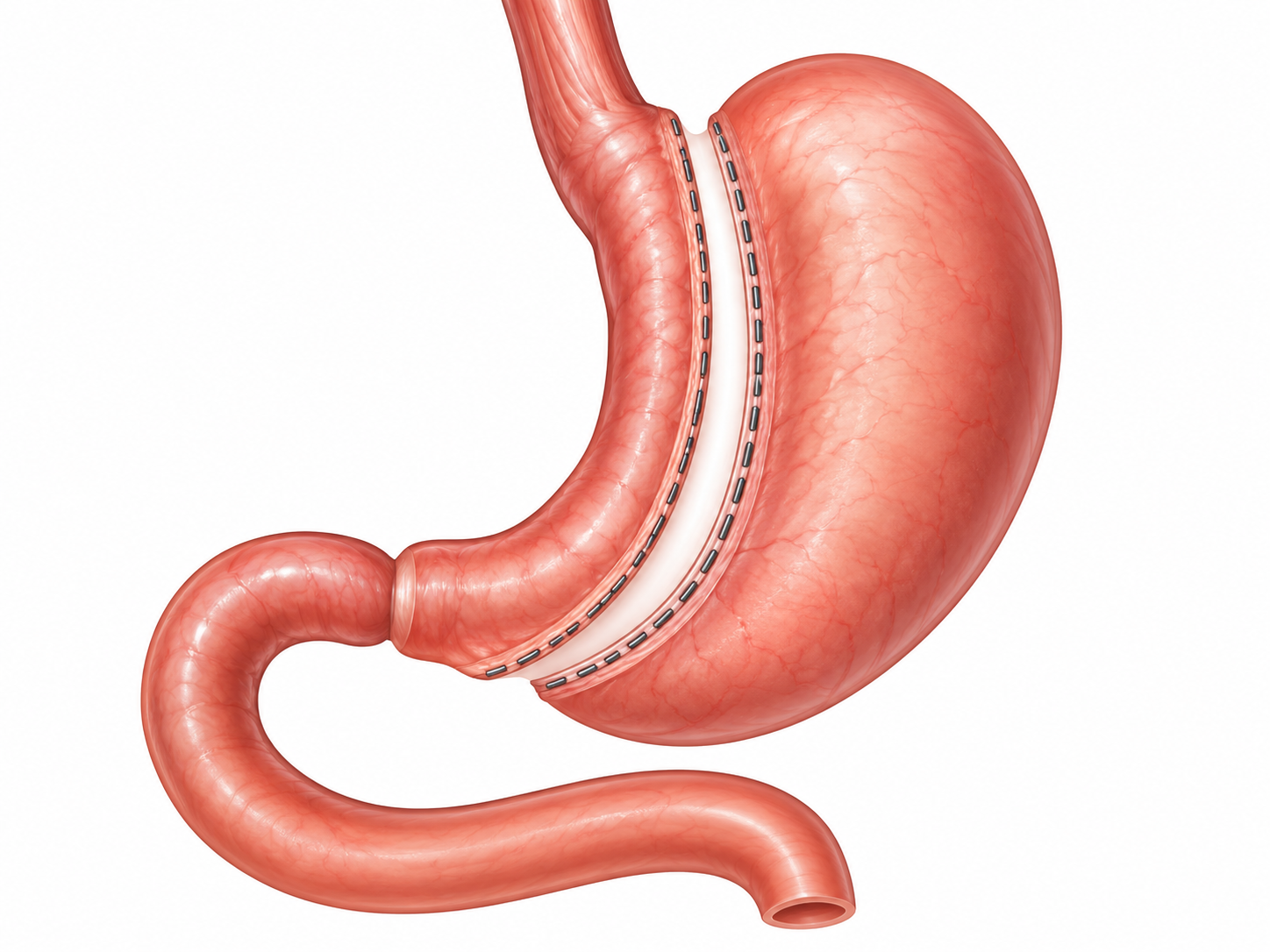
| Meal-focused | Larger meals rather than frequent snacks. | Sleeve (~2 oz) or banded sleeve (~1 oz) |
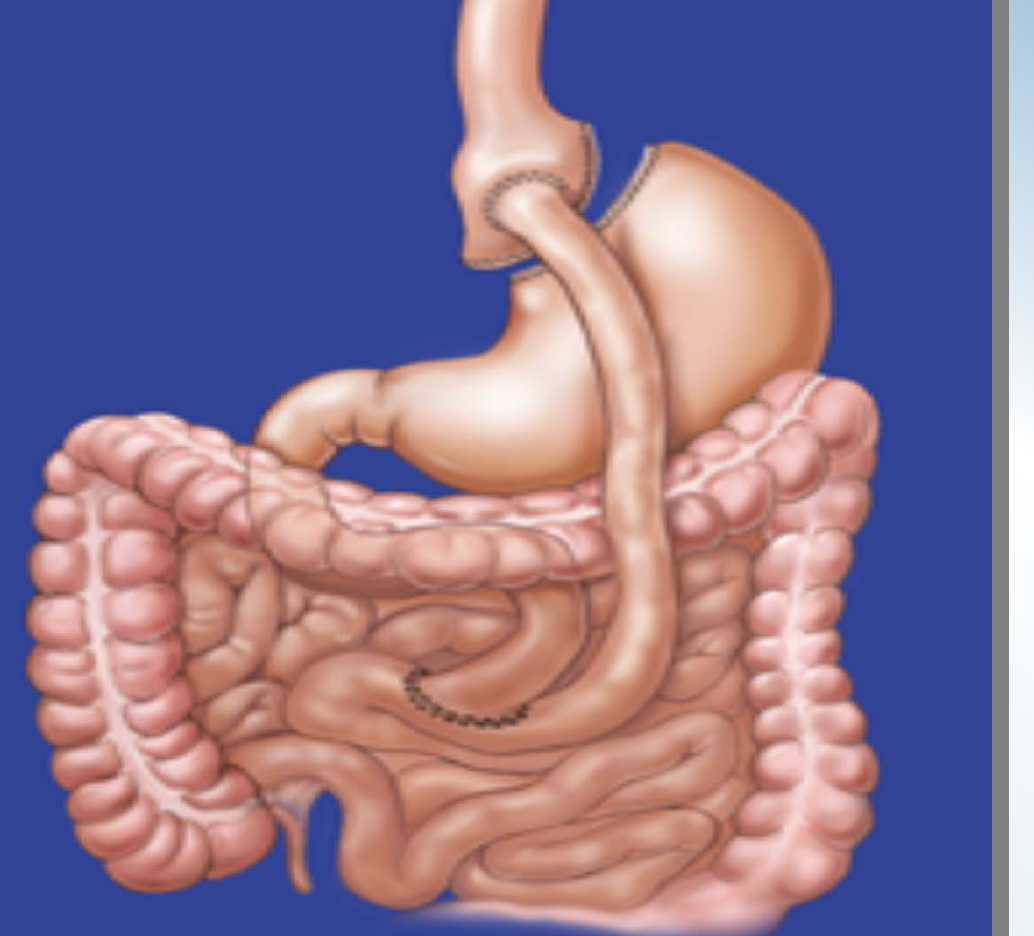
| Sweet-focused | Candy, cake, ice cream, sugar-dense extras. | Gastric bypass |
| Grazer / snacker | Salty chips, pretzels, frequent small hits, or high-calorie liquids that slide past restriction. | Duodenal switch |
These teaching patterns are not validated stand-alone rules for choosing an operation. BMI, pregnancy plans, transplant or cirrhosis, Crohn’s disease, protein (including vegetarian), how many vitamins you will actually take, side-effect tolerance, and your weight-loss goal must also be considered, including reflux, Barrett’s esophagus and willingness to consider staged surgery.

How we check a plan
- Review the likely mechanism of weight recurrence rather than assuming another restrictive procedure is enough.
- Consider medication-related weight change, nutritional deficiencies and medical disease before adding intestinal bypass.
- Confirm previous anatomy with records, endoscopy or imaging when needed.
- Discuss risk, dumping or steatorrhea tolerance, supplement access and the practical ability to follow the plan.
After you choose
Work-up typically includes a focused psych letter (decision-making capacity, ability to change eating, compliance, coping, support), labs including vitamins, EKG, and EGD. Sleep study, cardiac clearance, and cancer screening are added when indicated.
The first year after surgery is when diet advancement, protein, hydration, and labs actually happen. That is why follow-up is built into the practice, not left as a pamphlet.
This page describes method. It is not advice for a person we have not evaluated, and it is not a guarantee of a particular operation or result.